


L-glutamine, NAG, DGL og jurtir í hylkjum, sjö hylki á dag.
Um vöruna
Af hverju á Heilsubarnum
Við veljum hverja vöru út frá innihaldi og skammti. GI Revive hylkin eru sama blanda og duftið, án bragðefna og sætuefna.
Innihald
Í 7 hylkjum: L-glutamine 1,5 g, N-acetyl-D-glucosamine 1 g, citrus pectin cellulose 1 g, DGL 400 mg, aloe vera extract 300 mg, slippery elm extract 200 mg, mucin 200 mg (úr svínum), marshmallow 100 mg, chamomile extract 100 mg, okra extract 100 mg, cat's claw 100 mg, MSM 100 mg, quercetin 100 mg, prune 100 mg og sink 17 mg (úr 75 mg af zinc L-carnosine).
Önnur innihaldsefni: gelatin (hylkisskel) og vegetable stearate.
Án glútens, mjólkurafurða og soja, samkvæmt framleiðanda. Ekki vegan.
Notkun og varnaðarorð
7 hylki á dag, samkvæmt framleiðanda. Ekki skal neyta meira en ráðlagður dagskammtur segir til um.
Geymist við stofuhita.
Fyrir barnshafandi konur, konur með barn á brjósti og þá sem taka lyf er gott að ráðfæra sig við lækni áður en byrjað er.
Fæðubótarefni koma ekki í stað fjölbreyttrar fæðu og heilbrigðs lífernis. Geymist þar sem börn hvorki ná til né sjá.
Fyrir hverja eru GI Revive hylkin?
- Þá sem vilja L-glutamine, NAG og jurtir í einni blöndu15 innihaldsefni í sjö hylkjum.
- Þá sem vilja hylki frekar en drykkEngin bragðefni eða sætuefni. Sömu virku efni í sama magni og í einni skeið af GI Revive duftinu.
- Þá sem forðast glúten, mjólkurafurðir og sojaSamkvæmt framleiðanda. Varan er ekki vegan, því hylkin eru úr gelatíni og mucin er unnið úr svínum.
- Fullorðna
Hvað er í GI Revive?
Amínósýran L-glutamine, amínósykurinn NAG, trefjar og jurtir sem innihalda slímefni, í sjö hylkjum á dag.
L-glutamine er algengasta amínósýran í blóði. N-acetyl-D-glucosamine (NAG) er amínósykur. Í þessari vöru er hann ekki unninn úr skelfiski, samkvæmt framleiðanda.
DGL (deglycyrrhizinated licorice) er lakkrísrótarþykkni þar sem glycyrrhizin hefur verið fjarlægt. Slippery elm er innri börkur álmtegundarinnar Ulmus rubra. Marshmallow (læknastokkrós) og okra eru plöntur sem innihalda slímefni.
Nánar: öll 15 innihaldsefnin
Í hverjum skammti, sjö hylkjum, eru L-glutamine, N-acetyl-D-glucosamine, citrus pectin cellulose, DGL, aloe vera, slippery elm, mucin, marshmallow, chamomile, okra, cat's claw, MSM, quercetin, prune og sink.
Magn hvers efnis er í töflunni undir Næringargildi.
Nánar: hylki eða duft?
Virku efnin eru þau sömu og í sama magni og í GI Revive duftinu. Munurinn er formið. Einn skammtur er sjö hylki eða ein skeið af dufti út í vatn.
Í hylkjunum eru engin bragðefni eða sætuefni. Önnur innihaldsefni eru aðeins hylkisskel úr gelatíni og vegetable stearate.
Hvað gerir sink?
Í hverjum skammti af GI Revive er sink.
Sink stuðlar að verndun frumna gegn oxunarálagi.
Sjö hylki á dag
Sjö hylki á dag, samkvæmt framleiðanda.
Í pakkningunni eru 210 hylki, eða 30 skammtar, sem duga í 30 daga miðað við sjö hylki á dag. Ekki skal neyta meira en ráðlagður dagskammtur segir til um.
Varan geymist við stofuhita, samkvæmt framleiðanda.

Framleitt samkvæmt GMP
Designs for Health er bandarískur framleiðandi fæðubótarefna sem selur einkum í gegnum heilbrigðisstarfsfólk. Varan er framleidd samkvæmt GMP, samkvæmt framleiðanda.
- Án glútens, mjólkurafurða og soja, samkvæmt framleiðanda.
- Hráefnin eru ekki erfðabreytt (non-GMO), samkvæmt framleiðanda.
- NAG er ekki unnið úr skelfiski, samkvæmt framleiðanda.
Næringarupplýsingar
Skammtur 7 hylki · 210 hylki (30 skammtar)
| Innihald | Í 7 hylkjum | % NV* |
|---|---|---|
| Sinkúr 75 mg af zinc L-carnosine | 17 mg | 170% |
| L-glutamine | 1,5 g | ** |
| N-acetyl-D-glucosamineNAG | 1 g | ** |
| Citrus pectin celluloseúr sítrónu, appelsínu og greipaldini | 1 g | ** |
| DGLdeglycyrrhizinated licorice, lakkrísrót | 400 mg | ** |
| Aloe vera extractúr laufi | 300 mg | ** |
| Slippery elm extractúr berki, Ulmus rubra | 200 mg | ** |
| Mucinúr svínum | 200 mg | ** |
| Marshmallowlæknastokkrós, rót | 100 mg | ** |
| Chamomile extractkamilla, blóm | 100 mg | ** |
| Okra extractaldin | 100 mg | ** |
| Cat's clawUncaria tomentosa, börkur | 100 mg | ** |
| MSMmethylsulfonylmethane | 100 mg | ** |
| Quercetin | 100 mg | ** |
| Prunesveskja, aldin | 100 mg | ** |
*NV = næringarviðmiðunargildi · **NV ekki skilgreint
Önnur innihaldsefni: gelatin (hylkisskel) og vegetable stearate.
Algengar spurningar
Hvað er í einum skammti?
Í sjö hylkjum eru L-glutamine, N-acetyl-D-glucosamine, citrus pectin cellulose, DGL, aloe vera, slippery elm, mucin, marshmallow, chamomile, okra, cat's claw, MSM, quercetin, prune og sink. Magn hvers efnis er í næringartöflunni.
Hver er munurinn á hylkjunum og duftinu?
Virku efnin eru þau sömu og í sama magni. Einn skammtur er sjö hylki eða ein skeið af GI Revive duftinu. Í duftinu eru líka bragðefni og sætuefni.
Hversu mikið á að taka?
Sjö hylki á dag, samkvæmt framleiðanda. Ekki skal neyta meira en ráðlagður dagskammtur segir til um.
Er DGL það sama og lakkrís?
DGL er lakkrísrótarþykkni þar sem glycyrrhizin hefur verið fjarlægt.
Er NAG unnið úr skelfiski?
Nei, samkvæmt framleiðanda.
Er varan vegan?
Nei. Hylkisskelin er úr gelatíni og mucin í vörunni er unnið úr svínum.
Er glúten, mjólk eða soja í vörunni?
Nei, samkvæmt framleiðanda.
Hvað dugar pakkningin lengi?
Í pakkningunni eru 210 hylki, sem duga í 30 daga miðað við sjö hylki á dag.
Ég er á lyfjum, barnshafandi eða með barn á brjósti. Má ég taka vöruna?
Það er gott að ráðfæra sig við lækni eða lyfjafræðing áður en byrjað er.
15 innihaldsefni í sjö hylkjum
L-glutamine, NAG, DGL og jurtir frá Designs for Health, án bragðefna og sætuefna. 210 hylki í pakkningu, 30 skammtar.
Skoða GI Revive í dufti
Oft keypt saman
-
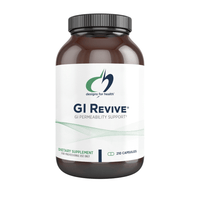 GI Revive®Þessi vara
12.250 kr.
GI Revive®Þessi vara
12.250 kr.
-
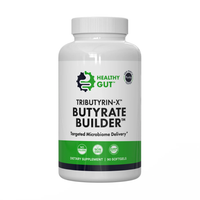 Tributyrin-X™
11.990 kr.
Tributyrin-X™
11.990 kr.
